Operational Key Takeaways
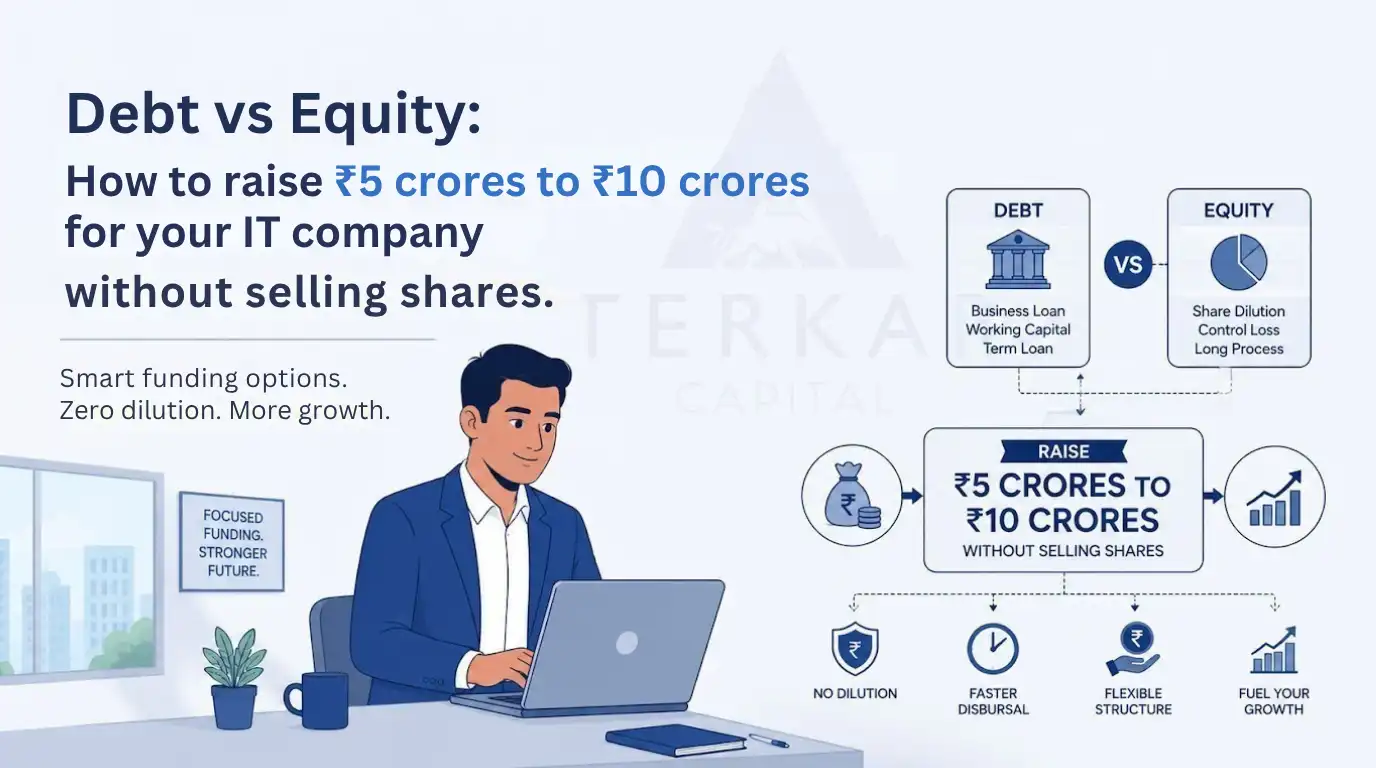
Venture capital or private equity rounds are the default path when a fast-growing enterprise enters a critical growth phase that needs a substantial capital injection. However, selling equity to meet short to mid-term working capital needs is a costly long-term financial mistake. Equity is a steady currency. When you dilute a percentage of your equity to pay for operational or payroll expenses, you permanently give up that future upside, corporate valuation, and control of the organization from the founding team.
A more strategic option is to deploy high-ticket Unsecured Business Loans (UBL) as non-dilutive capital architecture. Debt has a known, temporary cost that is fully transparent. Once principal and the interest components linked to the repo are systematically amortised over the tenure of the loan, the financial liability is brought down to zero.
The entire compounding upside of the enterprise scale up is still fully in the hands of the promoters. And by using unsecured debt lines to pay off predictable operational milestones, you can comfortably delay your next equity round of valuation until the enterprise is commanding a dramatically higher tier of valuation.
Real Life Example
A niche tech company is looking for ₹7 Crores capital infusion to scale its software engineering capabilities aggressively and roll out new product architecture. The venture investors gave them the money they needed, but they wanted a permanent 20% stake in the company.
The founders felt that giving up 20% of their equity at their current mid-stage valuation would cost them tens of crores in future enterprise value.
Instead of proceeding with the equity sale, the company used its strong operating track record to apply for a structured high-ticket Unsecured Business Loan. The risk team checked their stable multi-crore turnover and stable corporate debt servicing ratios. The firm raised the ₹7 Crores as structured non-dilutive debt capital. The loan is being paid down from active monthly operational revenues. The founders successfully retained 100% of their company ownership and all future valuation upside.
Main Operational Takeaways
- Permanent vs. Temporary Currency Equity is a permanent dilution of your ownership and future profits while unsecured debt lines meet your capital needs and disappear when they are repaid.
- Control Retention: Corporate loans enable the founding board to retain full operational and strategic control without external investor interference.
- Strategic Timing of Valuation: You can use debt funding to fund immediate growth milestones today, so you can command a much higher valuation when you decide to open an equity round later.
Enjoying our insights? Never miss an update on Google Discover or Google Reads. ➜