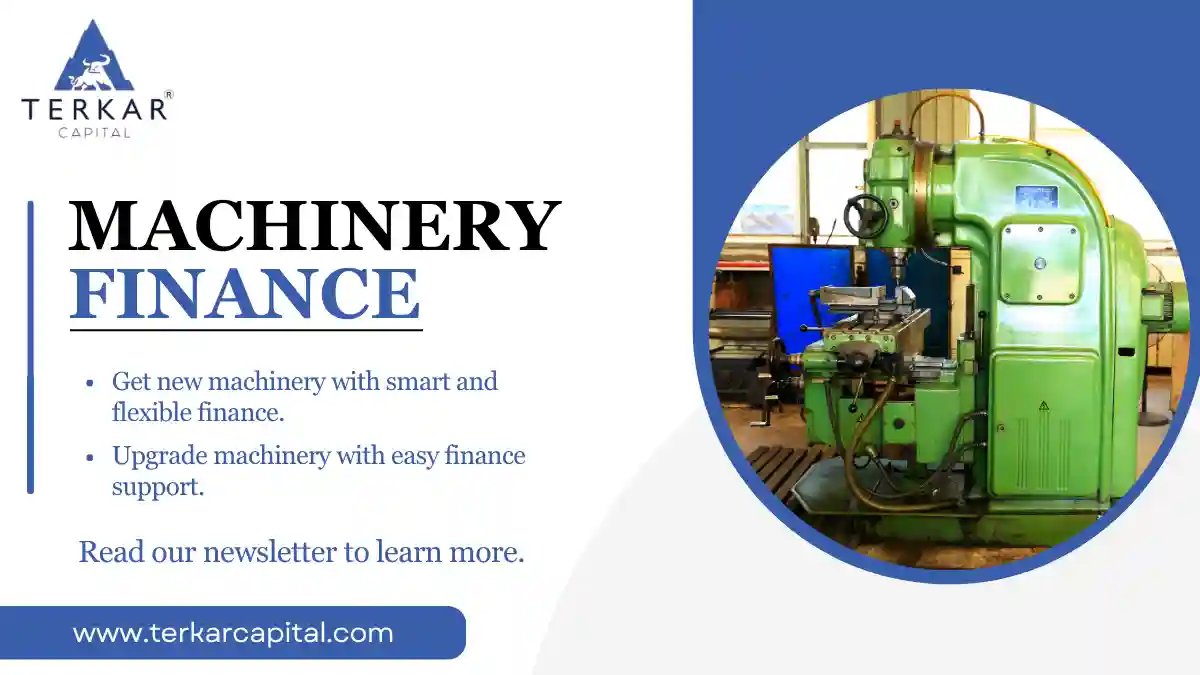
For manufacturing businesses, machinery forms the core of daily operations. Whenever expansion, modernization, or capacity enhancement is planned, machinery loans are often the preferred funding option.
That said, lenders do not evaluate every machinery purchase the same way. Whether a machine is classified as standard or non-standard significantly affects loan eligibility, approval timelines, funding percentage, and overall structure.
1. What Is a Machinery Loan?
A machinery loan is a secured financing facility availed specifically for purchasing new equipment. The machine itself is taken as primary security, and payments are generally released directly to the equipment supplier.
Typical features of machinery loans include:
- Medium to long repayment tenure
- Relatively competitive interest rates
- Predefined and structured repayment plans
2. What Are Standard Machines?
Standard machines are commonly used across industries and have:
- Clearly defined technical specifications
- Availability from multiple manufacturers
- A well-established secondary resale market
Examples include CNC machines, packaging equipment, printing machines, and other widely deployed industrial machinery.
3. Funding Outlook for Standard Machines
Banks and NBFCs prefer financing standard machines because:
- Valuation is easier and more transparent
- Resale potential is well understood
- Asset recovery risk is comparatively lower
As a result, borrowers typically benefit from:
- Higher funding ratios
- Quicker credit approvals
- More favourable interest rates
- Longer loan tenures
From a lender’s perspective, standard machines represent stable and low-risk collateral.
4. Understanding Non-Standard Machines
Non-standard machines are usually customised or built specifically for a particular manufacturing process or product line.
Such machines often:
- Have a limited or no resale market
- Are usable only for a specific application
- Lacks independent valuation benchmarks
Despite being technologically advanced or high in value, these machines may still be viewed cautiously by lenders.
5. Funding Considerations for Non-Standard Machines
Financing non-standard machinery is possible, but comes with added scrutiny:
- Lower loan-to-value ratios may apply
- Additional collateral or financial comfort may be required
- Approval timelines can be longer
- NBFCs generally show more flexibility than traditional banks
Lenders primarily evaluate how easily the machine can be liquidated in a stress scenario, which directly influences approval decisions.
6. Key Takeaways for Manufacturers
- The type of machinery directly impacts funding terms
- Standard machines improve lender confidence
- Accurate quotations and credible suppliers are essential
- Aligning machinery selection with funding strategy prevents delays
Thinking about financing at the planning stage helps businesses avoid execution bottlenecks later.
A machinery loan is not merely about acquiring equipment. It is about selecting machinery that supports both operational requirements and financing feasibility.
Understanding how lenders differentiate between standard and non-standard machines can be the difference between a seamless approval and prolonged negotiations.
Stay Ahead of the Market
Get these updates directly on Email. No spam, just critical financial alerts.
Enjoying our insights? Never miss an update on Google Discover or Google Reads. ➜