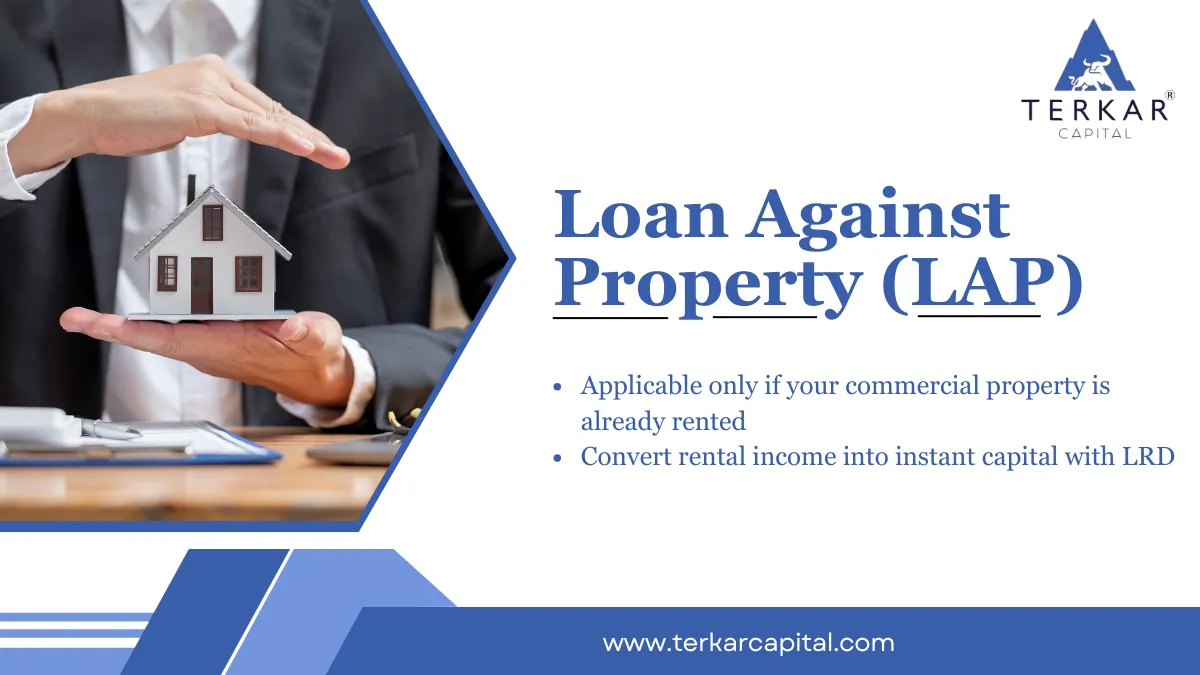
If you run a service business, you know the struggle. You’ve got steady clients. Good revenues. Maybe even healthy profits. But when you walk into a bank looking for serious funding? They want assets. Inventory. Machinery. Things you can touch. And that’s where most service businesses hit a wall.
Why LAP Works Well for Service Businesses
Unlike unsecured loans that rely heavily on business profits and vintage, LAP allows service professionals and businesses to leverage owned property to raise higher-ticket funding at relatively lower interest rates.
This makes LAP suitable for:
• Consultants and professional firms
• IT and service companies
• Agencies and service providers
• Businesses planning expansion or consolidation of debt
1. Type of Property Matters
Residential Property (your house or flat)
Generally the easiest to get approved. Banks love these because they’re liquid and easy to value.
Commercial Property (your office or shop)
Can actually get you better loan amounts and terms, especially if it’s in a good location and generating income.
The type of property directly impacts:
• Loan amount
• Interest rate
• Loan tenure
2. Location of the Property Is Critical
Property location significantly influences lender comfort.
Prime city locations = smooth approvals, higher loan amounts, better rates.
Outskirts or remote areas = lenders get nervous. They might:
- Cut your loan eligibility
- Add stricter conditions
- Take forever to approve
Even if the valuation appears high, lenders may:
• Reduce loan eligibility
• Apply stricter terms
• Take longer for approvals
In LAP, marketability matters as much as valuation.
3. Open Land Requires Special Attention
One of the most sensitive aspects in LAP is open land.
• Pure open plots are often:
• Restricted by many lenders
• Funded at lower LTV (loan-to-value)
• Subject to strict legal and zoning checks
Even when valuation is high, open land can become a bottleneck in raising funds.
Built-up, approved, and usable properties are always preferred.
4. How the LAP Process Typically Works
1. Property documents are reviewed
2. Legal and technical valuation is conducted
3. Business and income assessment is executed
4. Loan amount is structured based on property value and repayment capacity
5. Funds are disbursed post-mortgage creation
This structured approach allows businesses to access capital without disrupting daily operations.
5. Who Should Consider LAP?
Loan Against Property is ideal for:
- Need a large amount (₹25 lakh to ₹5 crore+)
- Want lower interest rates than unsecured loans (often 9-12% vs 15-24%)
- Are planning long-term expansion and can handle a 10-15 year tenure
- Want to consolidate expensive debt and reduce your EMI burden
Most service businesses don’t fail because there’s no demand.
They plateau because they can’t access affordable, long-term capital when they need it most.
If you own property and you’re serious about growth, LAP might be the smartest financial move you haven’t made yet.
Stay Ahead of the Market
Get these updates directly on Email. No spam, just critical financial alerts.
Enjoying our insights? Never miss an update on Google Discover or Google Reads. ➜