We explain in detail how your CIBIL score directly impacts loan approval, interest rates, and fund availability, so that financial decision-makers can anticipate lenders’ expectations, avoid financing obstacles, and prepare themselves for faster, more affordable financial decisions.
Introduction
In today’s fast-paced world, people are struggling with unpredictable situations. Such as financial disputes, public emergencies, uncertainties in the financial sector, securities exchange crashes, etc. So, even if their best efforts, they may find themselves financially constrained. In situations like this accessing debt fund exposures becomes crucial.
There can also be a situation wherein, despite the lack of urgency, you fall short of funds for planned expenditure. In these situations, the best recourse would be to avail of debt fund exposures such as an unsecured business loan, term loan, LAP facility, enhancing CC (Cash Credit) / OD (Overdraft Facility), and more. But regardless of the type of loan, approval depends primarily on your CIBIL score. So, let’s get insights into Factors Affecting the CIBIL Score and Their Impact on Loan Eligibility.
What is the CIBIL score?
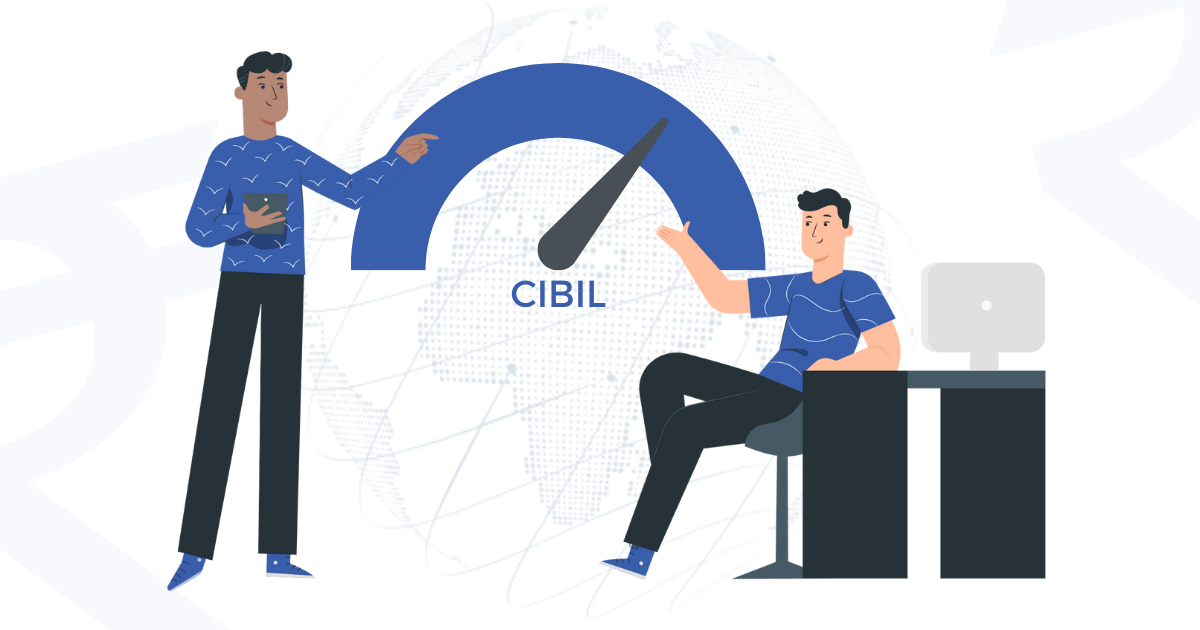
A CIBIL score is the first impression of the borrower for the lending institution. Simply put, the score demonstrates your financial soundness and can assist you in quickly getting the loan of your preference. Alternatively, if your credit score is not in the ideal range, you are more likely to be denied a loan or get a higher interest rate. Therefore, before you apply for a loan, it is essential that you check your CIBIL score.
Factors Affecting the CIBIL Score:
Financial institutions assess your CIBIL score based on specific factors. These factors are crucial in determining your creditworthiness and include:
Using the CIBIL score, a lending institution can know your previous patterns regarding credit reimbursements. If you have repeatedly defaulted on your EMI obligations in the past, it does not reflect well on your creditworthiness.
Any lending institution must differentiate between high-risk and low-risk borrowers. A good CIBIL score indicates a low-risk borrower who has the capacity and financial discipline to reimburse the credit.
Once the lending institution realizes your CIBIL score, it will then use it to calculate the interest rate and determine the actual amount of loan to be disbursed. Individuals with good credit scores can expect reasonable rates of interest along with disbursal of the required loan amount.
How well do you arrange your working capital out of the available credit facility? and justify all the stakeholders.
Does a low CIBIL score mean the end for the borrower?
If your credit score is low, you may find it difficult to get an unsecured business loan from the banks. But a low credit score isn’t the end of the world. A decent credit score is essential for credit endorsement. However, if the score check reveals low numbers, it does not mean that you have lost all chances of getting credit at affordable rates. You can take some necessary steps to increase your score over the long haul.
How to Improve CIBIL Score?
Boosting your CIBIL score requires consistent effort and sound financial management. Implementing proactive measures can gradually enhance your creditworthiness and improve your eligibility for loans.
Coming to Conclusion:
Understanding how your CIBIL score affects your loan eligibility is crucial in today’s financial landscape. A good CIBIL showcases your commitment to financial responsibility. However, a lower score does not spell disaster. Those who effectively manage their finances tend to have higher CIBIL scores, enabling better loan opportunities. On the other hand, borrowers with low scores may face challenges in repaying loans.