This guide explains why rooftop solar energy financing is a strategic option for Indian businesses looking to reduce electricity costs without impacting their cash reserves. Learn how to transform significant utility expenses into a self-financing asset, ensuring your money stays within the factory premises and truly fuels growth.
Rooftop solar financing
For decades, the strength of an industry was measured by the smoke rising from its chimneys and the large volume of its physical assets. It was a simpler time, an era where growth was linear, and the sun was only something that lit the factory floor. But today, it has become a high-performing balance sheet asset.
At Terkar Capital, we have always believed that capital is the oxygen of innovation and growth. However, if too much liquidity gets tied up in idle assets, even the strongest pulse can weaken.
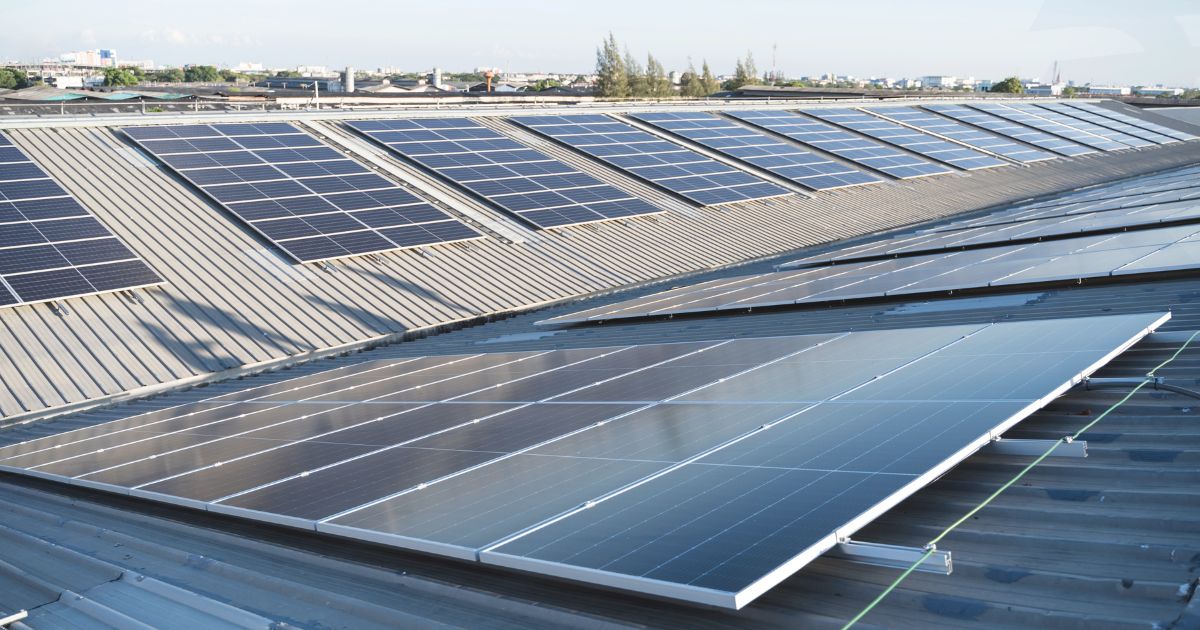
Imagine a massive manufacturing facility in the heart of Chakan’s (Pune) industrial belt. The roof is large, thousands of square feet of untapped potential baking under the sun. The board members know that transitioning to solar could slash operational costs by 40%. But there’s a catch. The upfront cost for a 500kWp system is substantial.
He faces a classic industrial dilemma: Does he deplete his cash reserves to “own” his power, or does he keep that liquidity to fund a new product line?
Honestly, the choice shouldn’t be that hard when you can actually have a structured solar financing option. Let’s dive deeply!
The Real Challenge Businesses Face
Solar energy saves on electricity costs. That’s a fact. But installing a rooftop solar plant involves a huge upfront cost. For industries and many businesses, this means cash gets blocked for years, working capital becomes tight, and growth plans get delayed.
The problem isn’t solar itself. The problem is the pressure it puts on your cash flow.
What Is Rooftop Solar Financing?
A Rooftop Solar Financing is a structured funding option that allows a business to install a solar panel system without actually paying the entire upfront cost. So, instead of a single, massive outflow, the industries can go ahead with the EMI option, use power savings to support repayments, and keep cash available for Opex.
In simple words, solar starts working immediately, while the payment is spread over a manageable tenure.
Why is it a smart business move?
When we talk about Rooftop Solar Financing, we actually talk about structured financing designed specifically for Indian businesses. Below are the top reasons why one should invest in rooftop solar financing:
- Most financing structures allow nearly zero upfront CapEX. This means your working capital stays with you.
- In most industrial setups, the monthly savings on the electricity bill are actually higher than the EMI for solar finance.
- You not only save on power but also optimize your tax outflow.
Solar Funding for the Indian Ecosystem
At Terkar Capital, we believe that the adoption of solar energy should be financially disciplined, practical, and designed for long-term sustainability. Because clean energy only creates value when the business utilizing it remains financially viable.
By leveraging rooftop solar financing, Indian industries are finally embracing global standards of capital efficiency. A company’s rooftop is often its most undervalued asset. So, this strategic shift does more than just provide equipment; it generates the liquidity necessary for true economic revitalization.
At Conclusion
Solar power is a long-term asset. Yet managing cash flow remains a daily responsibility for most industries. Hence, rooftop solar financing allows businesses to reduce power costs while keeping financial control. It supports savings without compromising liquidity.
At Terkar Capital, we believe solar adoption should be driven by financial discipline and cash flow logic, not just upfront cost calculations. Because the right energy decision strengthens the business. We don’t just create credit lines; we design the financial revival of Indian industry.